
Removal of a milk tooth – it is an exciting but painless procedure. In the “NOWA” clinic, it is performed under local anesthesia. In that case, the child does not feel anything and leaves the clinic without tears.
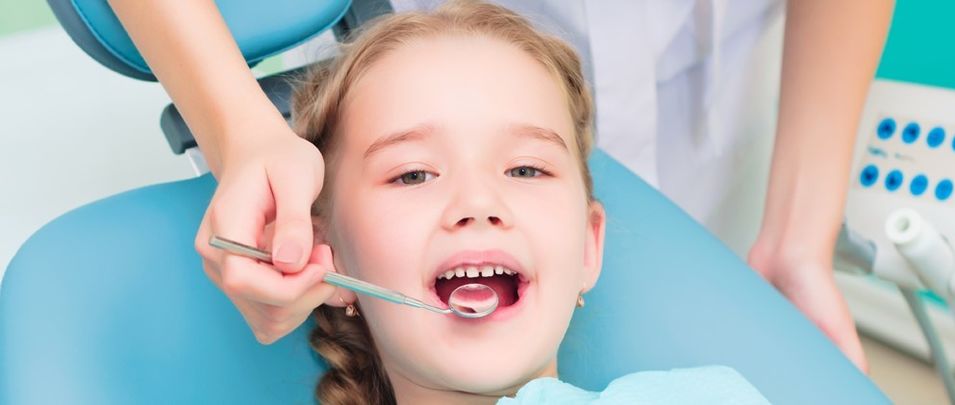
In children, the roots of milk teeth begin to dissolve from the age of 3. In the period from 6 to 12 years, they fall out and are replaced by permanent ones. Ideally, this process should not be disturbed by premature tooth extraction. This procedure is an extreme measure and is recommended only when it is no longer possible to save the tooth or it is impractical to do so.
Indications for the removal of a milk tooth can be:
Before removing a milk tooth, “NOWA” dentists must carry out a diagnosis: they take an X-ray or orthopantomogram (panoramic image of the jaw). These examinations make it possible to assess the condition of the roots and the presence of rudiments of root teeth under them. The results obtained help to make sure that the deletion is really necessary.
When a milk tooth can be saved and there are no clear indications for its removal, experts recommend not to pull it out. Early loss of temporary teeth can lead to impaired diction and improper formation of a permanent bite.
At “NOWA”, treatment and extraction of milk teeth is carried out without pain and stress. Specialists of the clinic use methods of game adaptation to help the child get used to the atmosphere of the clinic and adjust to the procedure.
Depending on the indications and individual characteristics of the child, removal is carried out:
Local anesthesia is recommended for easy tooth extraction and the child’s psychological readiness for the procedure.
The use of medicated sleep is advisable when the child is awaiting a complex procedure, several teeth need to be removed or filled in one session, he is very afraid or cannot sit through the entire session due to his early age.
The process of removing a tooth is quite fast and consists of the following stages:
After the tooth is removed, the child needs to hold a cotton swab for 30 minutes, not eat or drink anything for 2 hours, brush his teeth carefully and not to suck up the blood clot himself.
In case of bleeding, severe pain, swelling of the gums, fever or other symptoms, you should consult a doctor.
Polityka prywatności i plików cookies • Prawa Pacjenta – NOWA Sp. z o.o. • Informacja o zbieraniu danych osobowych • Standardy Ochrony Małoletnich